

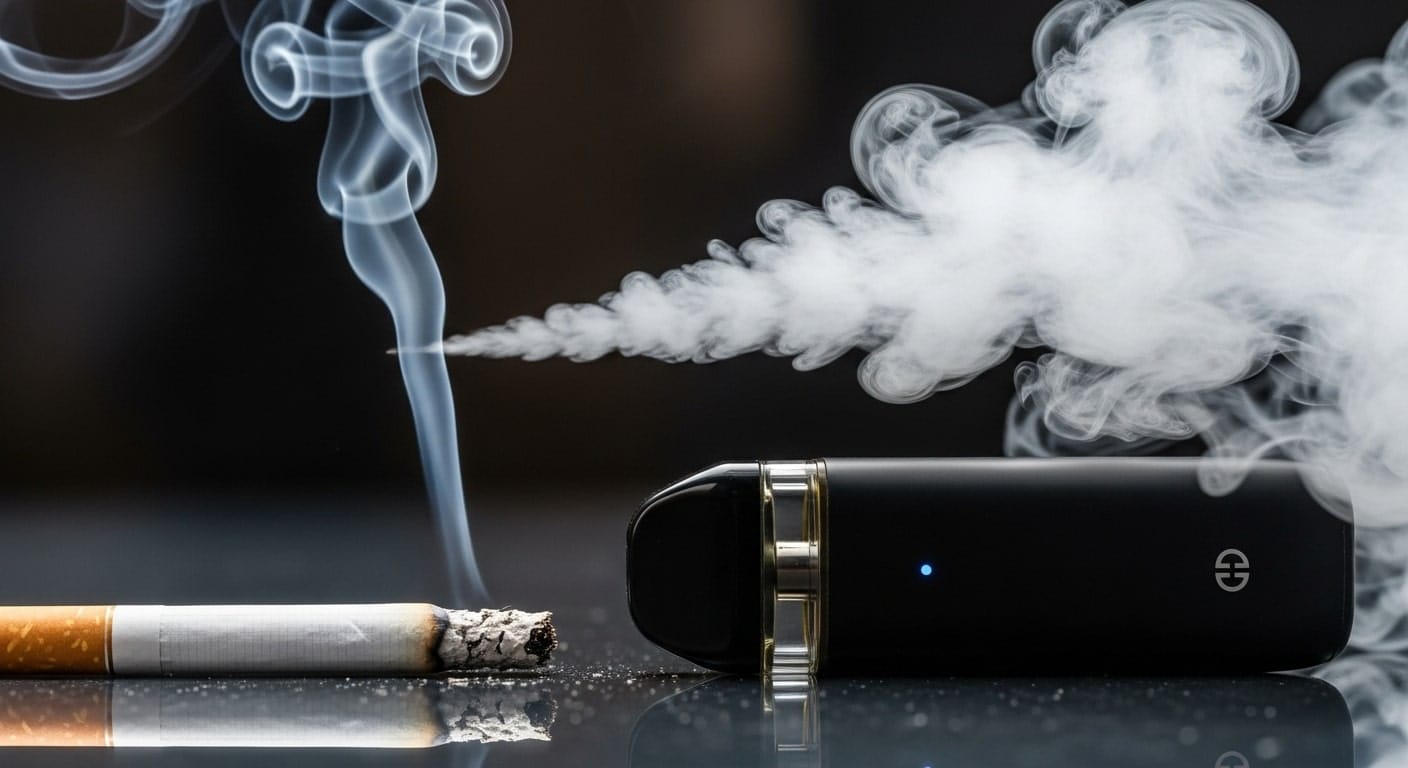
For decades, smoking has been a part of everyday life for millions of people—but so have the health risks, the rising costs, and the lingering smell that follows smokers wherever they go. Enter vaping: a modern alternative that millions have turned to as a potentially less harmful and more affordable option.
But what’s the truth behind vaping vs smoking?
Is it actually healthier?
Is it cheaper?
And most importantly—which option makes more sense for your lifestyle and long-term well-being?
If you’ve been thinking about switching or simply want the facts laid out clearly, this breakdown will give you everything you need to make an informed choice.
The Health Comparison: What Science Says About Smoking
Everyone knows smoking is dangerous—but the numbers are still alarming.
Cigarettes contain over 7,000 chemicals, including tar, carbon monoxide, ammonia, arsenic, and dozens of proven carcinogens. These chemicals don’t just affect the lungs—they impact nearly every organ in the body.
Major health issues linked to smoking include:
- Lung cancer
- COPD and chronic bronchitis
- Heart disease and stroke
- Reduced immune system
- Damaged blood vessels
- Increased risk of diabetes
- Premature aging and skin damage
- Infertility issues
Smoking is responsible for 480,000 deaths per year in the U.S. alone, making it the number-one preventable cause of death.
And let’s not forget the social effects: yellow teeth, stale smell on clothes, bad breath, and reduced stamina.
The Health Comparison: What Research Suggests About Vaping
Vaping doesn’t involve burning tobacco—meaning it eliminates tar and many of the cancer-causing chemicals found in cigarettes. Instead, it uses heat to vaporize e-liquid containing nicotine, flavor, and a base of propylene glycol or vegetable glycerin.
What experts generally agree on:
- Vaping exposes users to significantly fewer toxic chemicals than smoking.
- It may reduce the risk of several smoking-related diseases.
- There is no tar, no ash, and no smoke inhalation.
- It produces less respiratory irritation for many users.
- It can support individuals trying to reduce or quit cigarette use.
That said, vaping is not risk-free. Nicotine addiction is still possible, and some users may experience throat irritation, coughing, or sensitivity to certain ingredients. Long-term research is ongoing, but current studies overwhelmingly show it to be less harmful than traditional cigarettes.
In the middle of this shift toward smoke-free alternatives, products like Vape pens have become one of the most common introductory options for adults exploring vaping.
Cost Breakdown: Smoking vs. Vaping
How Much Does Smoking Really Cost?
The average price of a pack of cigarettes (as of recent data) ranges from $7 to $12, depending on your state. In Texas, the average is around $7.50 per pack.
If you smoke a pack a day:
- Daily: $7.50
- Monthly: ~$225
- Yearly: ~$2,700
- 10 Years: $27,000+ (just on cigarettes!)
And that doesn’t include:
- Lighters
- Increased insurance premiums
- Higher medical costs
- Potential work absences due to health issues
When you add those factors in, the lifetime cost becomes even more staggering.
Cost of Vaping: Typically Much Lower
Vaping has an initial startup cost, but the ongoing expenses are far less than smoking.
Typical vaping costs:
- Starter device: $20–$60
- Pods or coils: $3–$15 per week
- E-liquid: $10–$20 every 1–2 weeks (depending on usage)
For the average vaper:
- Monthly cost: $40–$75
- Yearly cost: $480–$900
That’s 70%–80% cheaper than smoking a pack a day.
Even for heavy vapers, the yearly cost rarely exceeds $1,200—still far below the smoking average.
The bottom line:
Vaping saves the average adult smoker between $1,500 and $2,200 per year. Over 10 years, that’s up to $20,000 saved—money that could go toward travel, hobbies, savings, or personal goals.
Secondhand Smoke vs. Secondhand Vapor: The Environmental Difference
Cigarette smoke:
- Contains toxins harmful to anyone nearby
- Lingers in clothes, furniture, and vehicles
- Creates unpleasant odors
- Leaves ash and residue behind
Vapor:
- Dissipates quickly
- Leaves little to no lingering smell
- Contains dramatically fewer chemicals
- No ash, no tar, no burn
For many adults, this makes vaping a more socially acceptable and convenient choice.
Convenience & Lifestyle Comparison
Smoking
- Requires lighters, ashtrays, and outdoor areas
- Strong odor clings to clothes, hair, and surroundings
- Can’t be used indoors in most places
- Leaves ash and residue everywhere
- Limited flavor and nicotine options
Vaping
- Discreet, fast, and portable
- No lingering smell
- Hundreds of flavor profiles
- Multiple nicotine strengths or nicotine-free options
- No ash and no need for lighters
This flexibility is one of the biggest reasons adults make the switch.
Final Verdict: Which One Wins?
When comparing vaping vs smoking from a health, cost, and lifestyle perspective, the winner is clear:
✔ Vaping is generally considered a less harmful and more affordable alternative.
While not completely risk-free, it eliminates smoke, tar, and many toxic chemicals found in cigarettes. It also costs significantly less in the long run and fits better into modern, fast-paced lifestyles.
If you’ve been considering switching, now is the perfect time to explore your options and choose a setup that works for you.
Ready to Start Your Transition? Visit Our Store
Discover the best devices, flavors, and accessories—from beginner-friendly setups to advanced systems. Our team is here to guide you through every step of your smoke-free journey.
Stop by today and elevate your experience — visit our store.